 United Kingdom
 China
China India
India Indonesia
 Malaysia
 Middle East
 Singapore
 Taiwan
 Thailand
 Turkey
When Japanese clients ask us where to look for the best properties in London, the honest answer is: it depends less on the postcode and more on what matters to you day by day.
Over the years, we have worked with many Japanese investors, expatriates and families who have chosen riverside flats in west London, quiet houses in outer boroughs, new-builds near university campuses and period conversions. What these homeowners and buyers had in common was not a neighbourhood; it was a set of criteria.
What Japanese buyers and tenants are actually looking for

Before any conversation about postcodes, here is a short breakdown of the patterns we have observed working with Japanese clients.
Clean streets and a residential feel
This is the one requirement that comes up earliest and most often. Many clients relocating from Tokyo or Osaka are used to orderly, well-kept and calm environments and these are the factors they seek when investing or relocating overseas.
Convenient transport links
Hassle-free and simple connectivity is what most Japanese buyers, students and homeowners prefer. This is not a preference so much as a practical threshold. Whether the purpose is commuting, studying or simply staying connected to the centre of the city, most clients are not willing to compromise on this.
Amenities within walking distance
A supermarket, a pharmacy, a decent coffee, somewhere to eat on a Tuesday evening without planning it; for someone new to the city, this matters more than it might seem.
A sense of safety
Japanese clients, especially women relocating alone and families with children, pay attention to this. We do too, when we are making recommendations. A good neighbourhood should feel walkable at night, have visible footfall, vibrant street life and, where families are concerned, proximity to parks and open space to unwind and relax matters as much as low crime rates.
Quick commutes to business hubs/education
Distance to schools, universities or business hubs is usually the deciding factor. If the property is situated further away from central London, the question becomes how quickly you can reach the nearest station on foot.
The point of listing these criteria is to convey that if a property and a neighbourhood fulfil these conditions, it has genuine potential to attract Japanese tenants and buyers, regardless of which borough it sits in.
Learn how we assist Japanese clients throughout the buying process
Areas that fulfil these criteria
Ealing
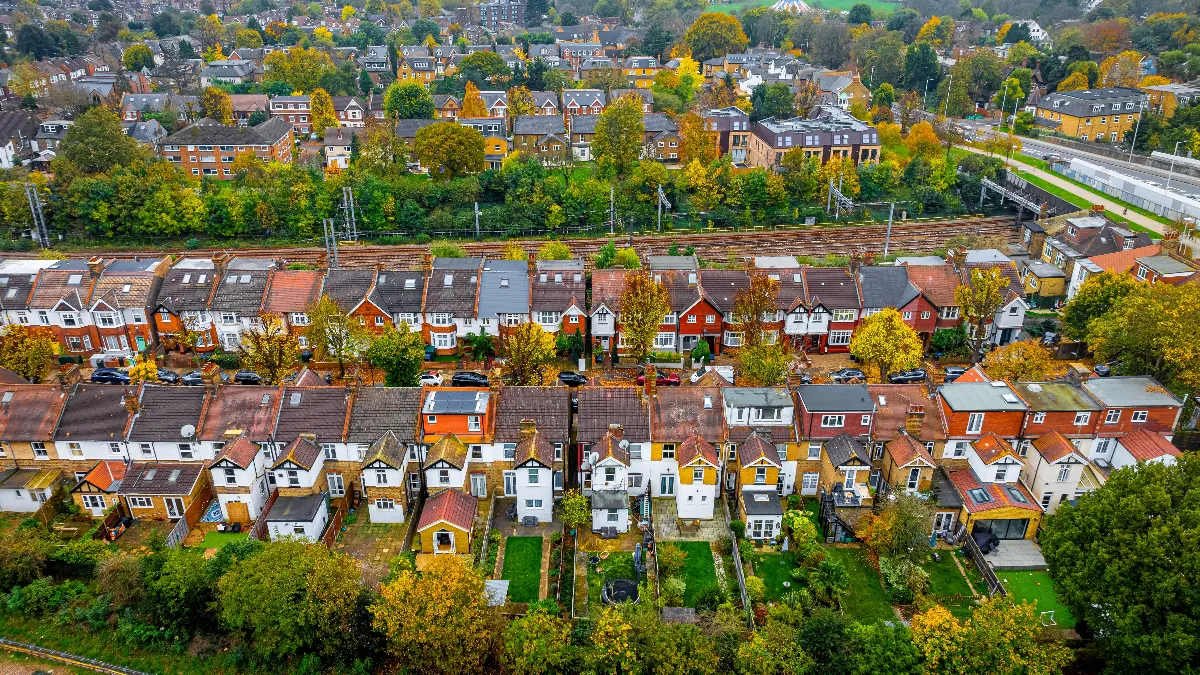
Ealing is a highly favoured area by the Japanese community in London and there are straightforward reasons for that. The Elizabeth line at Ealing Broadway connects directly to the City, Canary Wharf and Heathrow and the Central line runs through it. For those travelling regularly between London and Japan, having Heathrow on the same line as your front door is convenient.
This Zone 3 area is residential and leafy yet conveniently close to transport links that will take you to the city centre quickly. Ealing Broadway is home to a good range of independent shops, dining options and a range of Japanese grocery options, social networks for new residents, complete with an established community where settling in does not start from zero.
Hammersmith
Hammersmith is more urban than Ealing; busier, denser. The connectivity from this area to London and beyond is excellent; the District and Piccadilly lines are within close proximity, the river along the southern edge and strong local amenities that include enough variety to feel like a neighbourhood rather than just a transit stop.
Rental demand here is consistently high and this is one of the factors that makes Hammersmith interesting for investors as much as tenants. You can view modern riverside developments along the Thames to see what is available at different price points in this part of West London.
White City
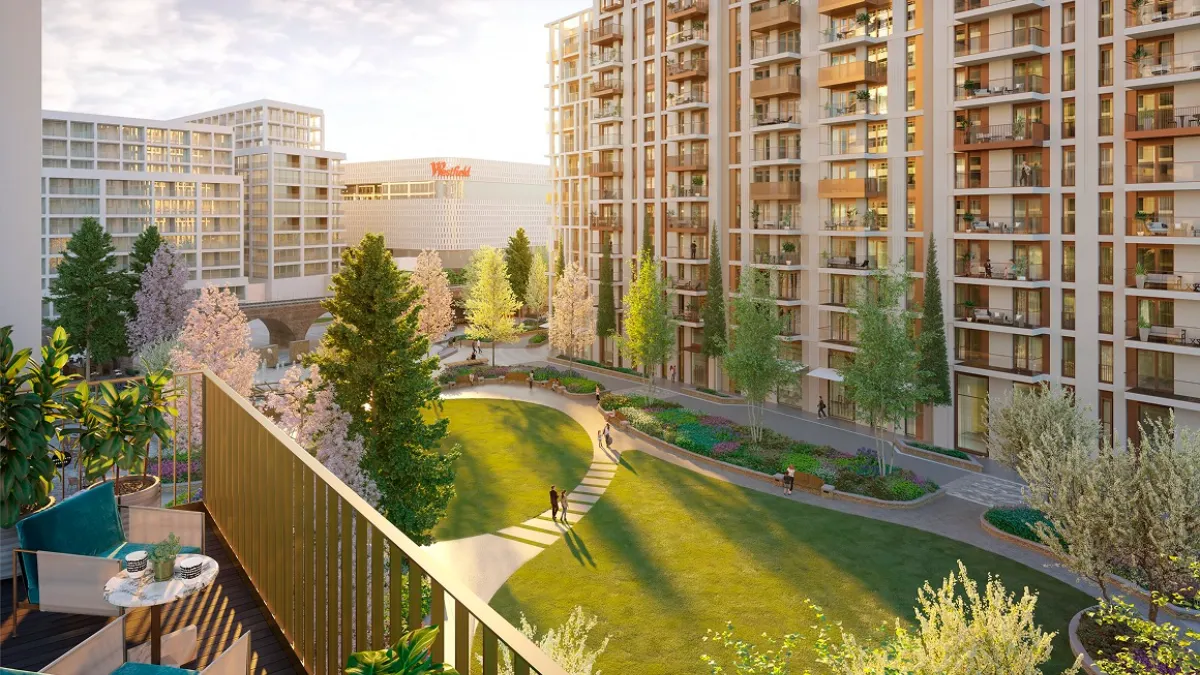
White City has changed considerably over the past decade, driven largely by the White City Living development by Berkeley Group and the growth of the White City Place campus’s life sciences, media and technology has brought an influx of working professionals into this vibrant area. Westfield London is just directly across the development and with Imperial College London nearby, there is a steady demand for housing from academic staff, researchers and postgraduate students.
This area makes practical sense for Japanese professionals well beyond research or media alone. Much of this comes down to the location: commuting is easy from here as the Hammersmith & City line and the Central line both run directly into the City, while the A40 and A4 give quick road access to business parks on the west side of London, including Chiswick, Hayes and Stockley Park.
That combination, City on one side and the west London business parks on the other, is a big part of why this development sees such high demand from Japanese expats across all types of business. Besides, the new-build residential offering has expanded to match and the Central line is direct and fast.
South Kensington and Kensington
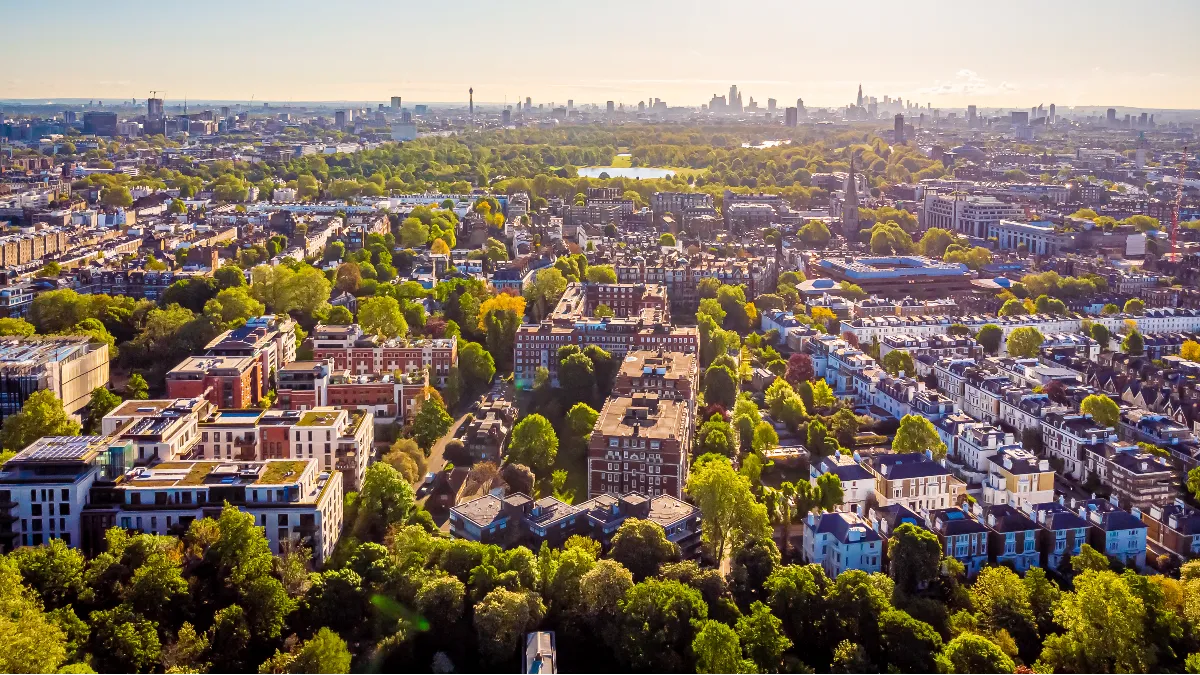
For buyers for whom lifestyle is as important as the investment case, Kensington in Zones 1 and 2 continues to hold its position. The streets here are quiet and cultural attractions like museums, parks and restaurants are within walking distance of each other.
Imperial College London keeps a solid portion of the rental market consistently active with academic and professional tenants. Japanese buyers with a long investment horizon tend to respond well to that kind of structural demand. You can explore London property opportunities suitable for overseas buyers for a read on the prime central market.
Canary Wharf and the Isle of Dogs
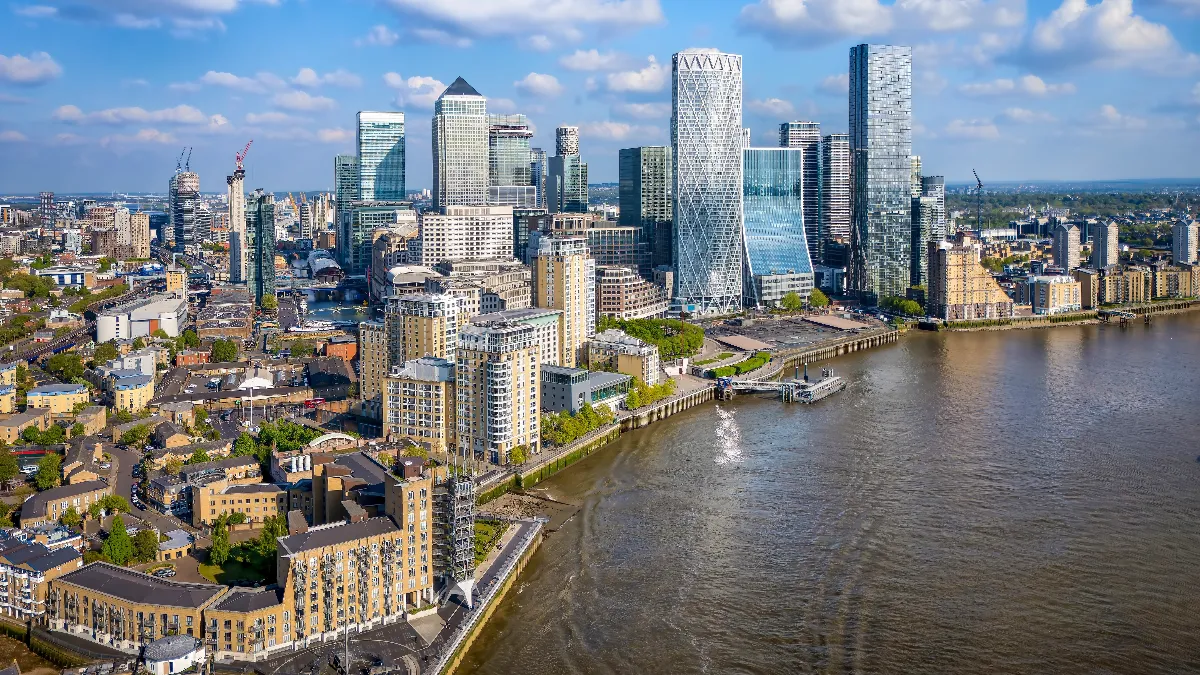
Canary Wharf is London’s financial hub and has a character of its own; waterfront, busy, multiple shopping outlets, restaurants and a concentrated professional energy that suits some buyers well. It is not a neighbourhood in the quieter residential sense, but for those who want to live close to work and within reach of the water, it functions well. The premium developments here are well-specified and the commute, if it takes you outside the Wharf, is short.
Nine Elms and Battersea
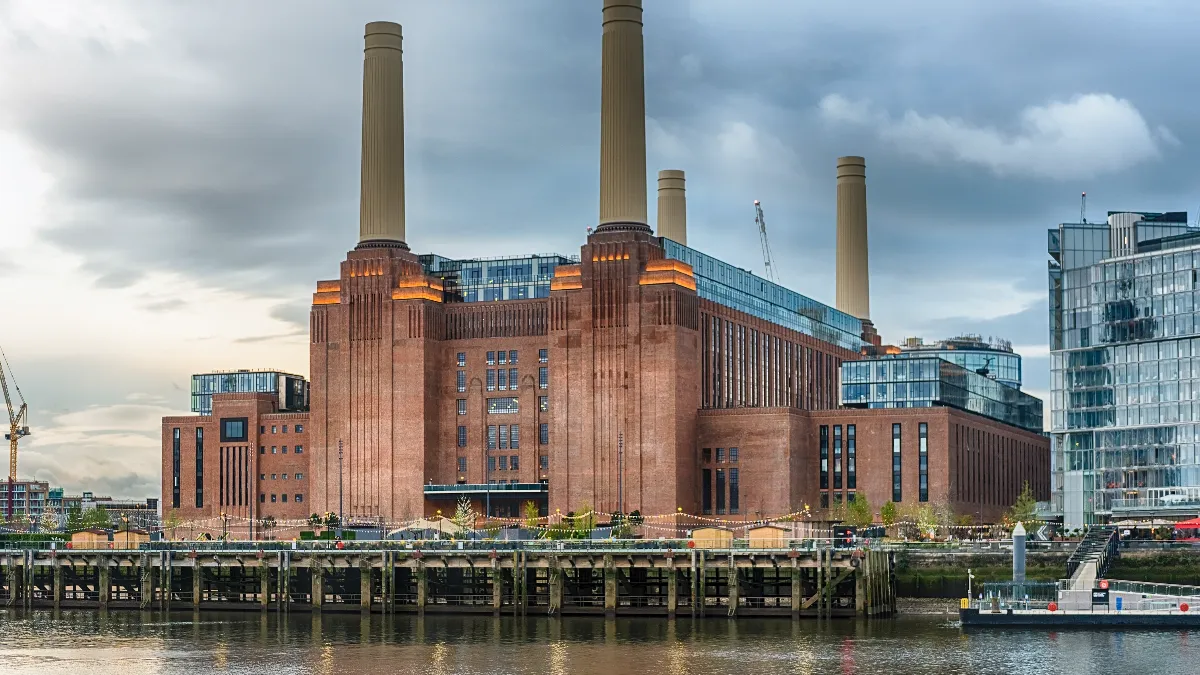
Some of the most consistent rental demand in London right now sits in well-connected Zone 2 and Zone 3 locations. Areas like Nine Elms and Battersea offer the combination that tends to work for a growing number of overseas investors: residential calm, good schools, fast transport; all at a lower entry price than the central postcodes.
You can explore well-connected Zone 2 areas that offer value and growth potential if you are thinking beyond Zone 1 and Zone 2.
The right area is the one that works for you
We have kept this guide deliberately broad. London offers homes for a diverse range of lifestyles, budgets and priorities. A lot of the areas that work well for Japanese buyers and tenants are not the ones that come up first in a search.
The Benham and Reeves Japan team works specifically with Japanese clients at every stage, from first enquiry through to completion or tenancy. With a professional team of experts fluent in both Japanese and English, we are familiar with the questions that matter to clients coming from Japan: about the buying process, about leasehold property, about how the rental market actually operates.
If you have a shortlist of areas in mind, we can tell you honestly what will work for you. If you are starting from scratch, we can help you build that shortlist based on what you are actually looking for and not on which postcodes tend to appear in articles.
Request personalised recommendations based on your requirements and we will get back to you directly.